Choosing the right sports eyewear comes down to one sequence: identify your sport's dominant risk—high-velocity impact, glare, UV exposure, or wind-borne debris—then match that risk to three things: impact-resistant materials, the right lens technology, and a relevant safety certification. Eye health and sports safety organizations consistently recommend polycarbonate lenses for impact protection, polarized or photochromic lenses for glare and changing light, and ASTM-certified protectors for high-risk sports. This guide lays out that decision process, including which ASTM standards apply to which sports.
Why Specialized Sports Eyewear Matters
Everyday dress eyeglasses, fashion sunglasses, and contact lenses do not offer adequate protection for sports, according to the International Sports Vision Association. Protective options include safety goggles, face guards, and eyewear designed for specific sports. The stakes are real: the American Academy of Ophthalmology categorizes sports by eye-injury risk to the unprotected player, placing racquetball, squash, basketball, baseball, softball, hockey, and paintball in its high-risk tier because of small, fast projectiles, hard projectiles, sticks, and close contact. A retailer's overview of ASTM standards cites over 600,000 sports-related eye injuries reported annually, with nearly 90% described as preventable with proper eyewear.
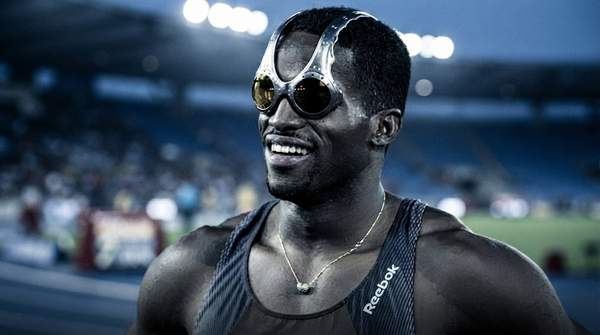
The right eyewear also serves performance, not just protection. Sport eyewear is engineered from high-impact, durable materials, and many models add anti-fog coatings, UV protection, and specialized tints so athletes can see clearly and respond quickly, as one vision center's guidance explains. VSP Vision Care advises choosing eye protection based on your specific activity, since different sports carry different injury risks, and recommends confirming that products meet ASTM impact standards and fit properly to maximize protection.