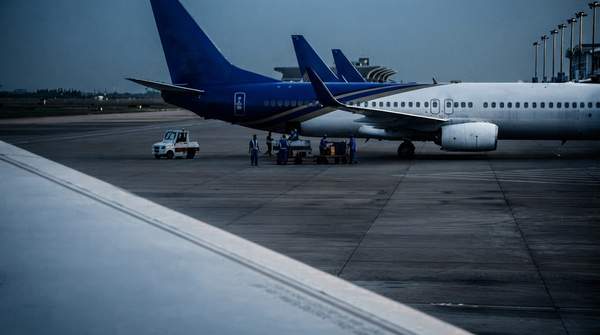
Attending a major international sports event offers an unparalleled experience, but the journey from fan to spectator requires meticulous planning. Beyond simply booking tickets, successfully navigating global sporting spectacles involves a strategic approach to travel, accommodation, and local logistics. For individual sports fans, understanding these complexities and preparing well in advance is key to a seamless and enjoyable experience.
International sports events demand more than just securing flights and hotel rooms; they involve coordinating various elements such as equipment, ground transport, and on-site operations, as noted by Joel Hindmarsh writing for atpi. A single disruption, like a delayed flight or a hotel issue, can have a ripple effect, impacting everything from training schedules for teams to the overall experience for attendees. Therefore, adopting a proactive and informed planning strategy is crucial for individual fans to manage these logistical challenges effectively.
Early Bird Gets the Ticket (and the Room): Strategic Planning
The cornerstone of successful international sports travel is early planning. For major international events, planning should commence as early as possible, potentially years in advance, especially when significant flight capacity or large room blocks are required, according to Joel Hindmarsh writing for atpi. This foresight helps secure availability and often better rates for flights and accommodation, which are central to event logistics.
Event organizers often play a significant role in streamlining travel decisions by providing detailed information and negotiating deals. Dr. Bonnie Tiell, writing for sportsdestinations.com, suggests that organizers should create comprehensive event guides. These guides can be invaluable for travelers, offering itineraries, schedules, accommodation options, discount codes, venue information, cultural tips, safety guidelines, and crucial transportation details. Fans should actively seek out and utilize these official resources to inform their planning and ensure they are accessing reliable information.
Securing Your Base: Accommodation Near the Action
Accommodation is a critical component of international sports event logistics, directly influencing the attendee's experience. Its location, facilities, flexibility, security, and transport connections are all vital considerations, as highlighted by Joel Hindmarsh. When selecting where to stay, fans should prioritize options that offer convenient access to event venues or are well-connected to the host city's transportation network.
Choosing accommodation strategically can minimize travel time and enhance overall satisfaction. Dr. Bonnie Tiell emphasizes that convenient and orderly processes for arriving at and departing from venues, along with trouble-free transportation, significantly contribute to attendee satisfaction. Therefore, when evaluating potential lodging, consider not just the amenities but also how easily you can get to and from the sporting action, ensuring a smoother and more enjoyable event experience.
Mastering the Local Commute: Transportation in Host Cities
Navigating a host city's transportation system is essential for efficiently moving between accommodation, event venues, and other points of interest. Cities hosting mega-sport events typically develop a comprehensive transportation strategy that builds upon their existing public transportation infrastructure, as discussed by Manuel Reimann. This strategy aims to accommodate the sharp increase in people, including spectators, while managing local traffic.
For individual fans, this means leveraging the host city's public transportation system is often the most efficient way to travel. Researching the local public transit system—including routes, schedules, and ticketing options—before arrival can save time and reduce stress. Additionally, ride-sharing services can offer flexible alternatives for specific routes or times when public transport might be less convenient. Understanding these options allows fans to plan their daily commutes effectively and focus on the event itself rather than logistical challenges.
International Sports Travel Planning Checklist
| Aspect | Key Consideration | Fan Action | Benefit |
|---|---|---|---|
| Early Planning | Booking Timeline | Begin planning for flights and accommodation years in advance for major international events. | Secures availability and potentially better rates for crucial travel components. |
| Accommodation | Location & Access | Prioritize lodging near event venues or with excellent transport connections. | Minimizes travel time and enhances convenience for a smooth event experience. |
| Local Transportation | Navigating Host Cities | Assess the host city's public transportation system and consider ride-sharing options. | Enables efficient travel between venues and accommodation, leveraging city infrastructure. |
| Pre-Travel Documentation | Entry Requirements | Verify visa and entry requirements for the destination country well in advance. | Ensures compliance with international travel regulations, a fundamental step. |
| On-site Preparedness | Packing & Gear | Consider weather conditions and specific gear requirements for the event and destination. | Ensures comfort and readiness for the event, regardless of external factors. |
Pre-Travel Checklist: Your Essential Preparations
Beyond the major bookings, a thorough pre-travel checklist ensures all smaller, yet critical, details are addressed. One of the most fundamental steps for any international travel is verifying visa and entry requirements for your destination country, as highlighted by atpi. This should be done well in advance, as processing times can vary significantly. Ensure your passport is valid for at least six months beyond your intended return date and check for any Electronic Travel Authorization (ETA) requirements.
Packing considerations should extend beyond typical travel items to include specific gear for the sports event and the local weather conditions. Joel Hindmarsh notes that good sports event logistics cover aspects like equipment and on-site operations, which for a fan translates to being prepared for the environment. This might mean packing appropriate clothing for outdoor stadiums, comfortable walking shoes, or specific items allowed or prohibited at venues. Being adequately prepared ensures comfort and readiness, allowing you to fully immerse yourself in the event.
Your Game Plan for Global Sports Adventures
Successfully attending international sports events hinges on proactive and informed logistical planning, starting well in advance of the event. By prioritizing early bookings for flights and accommodation, strategically choosing lodging based on venue access, and understanding the host city's transportation network, fans can significantly enhance their experience. The measurable indicator of effective planning is a confirmed itinerary with booked flights, accommodation, and a clear understanding of local transport options and entry requirements, ensuring you are ready to enjoy the global sporting spectacle.