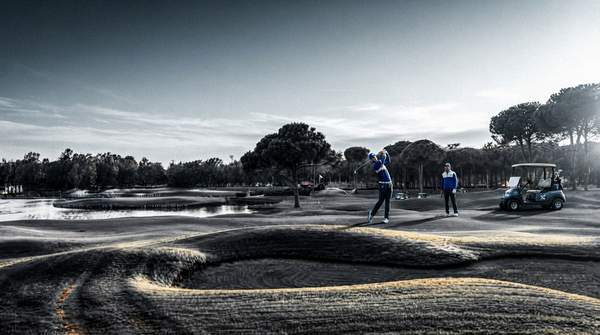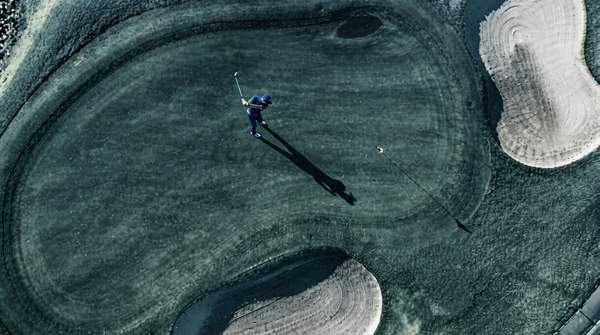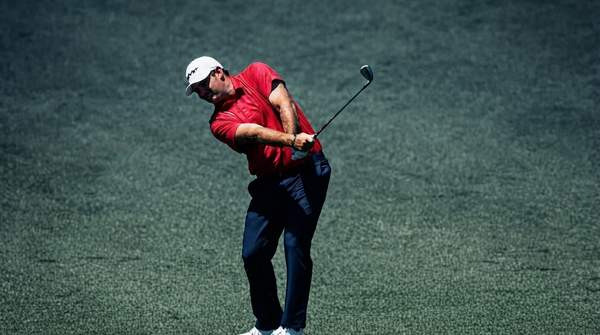
Course architecture is not scenery. It is a strategic blueprint. The same swing that produces a stopped ball on one course produces a runaway one on another, and the difference is written into the ground itself. As Stephanie Zinser explains in a Lynx Golf comparison of course styles, a 7-iron that stops on a parkland green can bounce through the back of a links green, and a driver that feels safe on a calm, tree-lined course becomes a liability when wind and firm turf take over. Course type dictates turf interaction, shot shape, trajectory, club selection, and even what counts as a safe tee shot.
Introduction: Architecture as a Strategic Blueprint
For a professional, the question on every hole is not just whether a shot can be executed. It is whether that shot is the right choice for the situation. That framing comes from an International PGA analysis of how course architecture shapes golfer decisions, which notes that strategic positioning of fairways, greens, slopes, and landing areas creates decisions for players of different abilities without requiring every hole to be long or physically brutal.
This is the core idea. Architects build choices into the ground. The professional's job is to read those choices correctly. A links course, a parkland course, and a desert course ask three different questions of the same player, and the player who answers all three the same way will lose to the one who adapts.
Links Courses: Mastering the Ground Game and Wind
A true links course is not simply a course near the ocean. It is a specific piece of ground: sandy linksland with firm turf, natural contours, and wind that can turn a good swing into a bad number. That firmness is the strategic engine. Because the turf causes balls to bounce and roll significantly after landing, aerial shots may not hold the green.
The professional response is a ground game. Instead of flying the ball to the flag, the links player lands it short and lets it run. Trajectory control becomes the priority: keeping the ball under the wind, accepting the bounces, and adapting when a well-struck shot finishes somewhere unexpected. Club selection shifts accordingly. The same 7-iron that flies high and stops on soft turf becomes a club that releases twenty yards past its landing spot. The player who plans for the bounce, not just the carry, is the one who scores.